
Submerged entry nozzles
浸入式水口
Delivering protected steel flow into the mould.
- Application
- Tundish → Mould
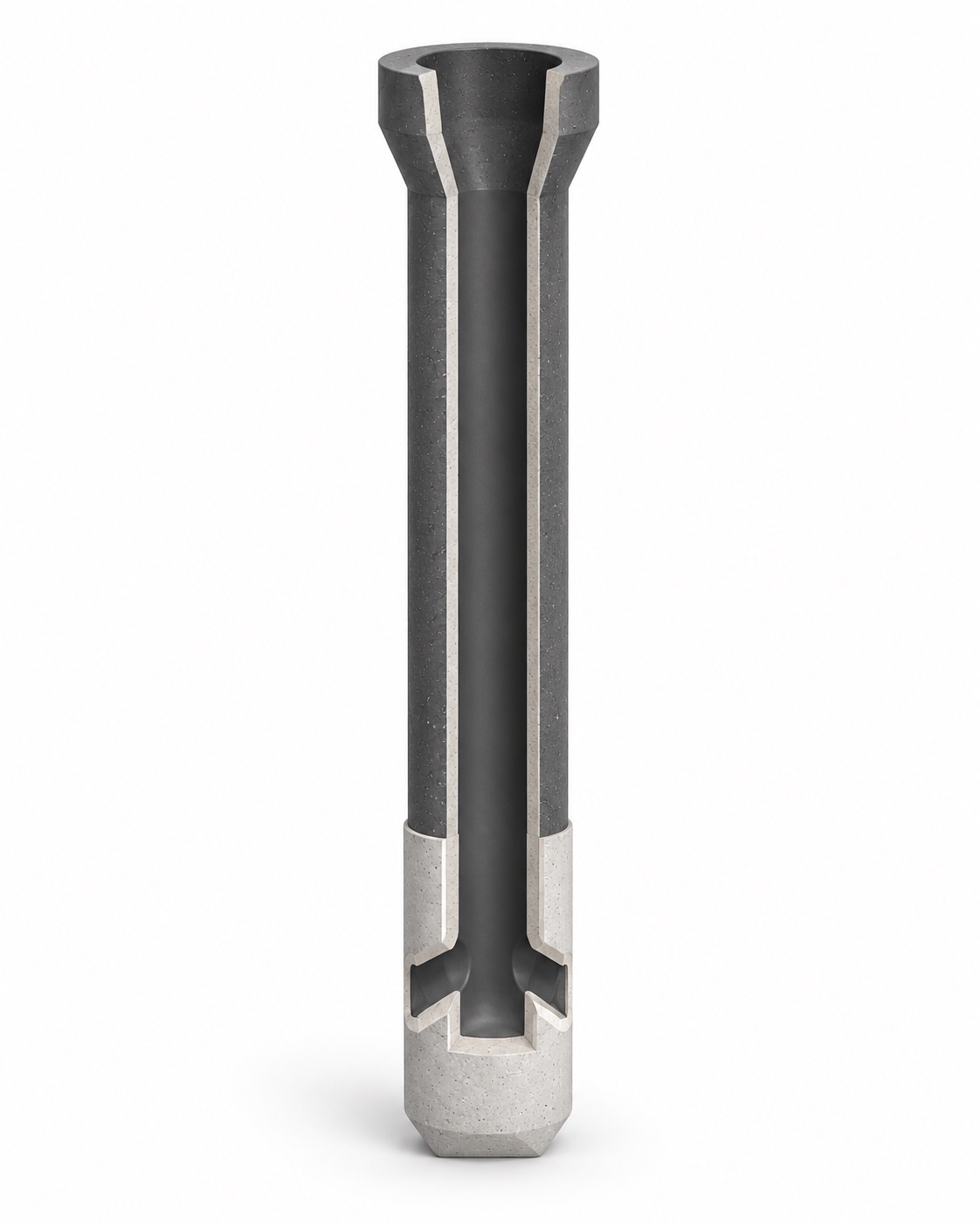
Product overview
A submerged entry nozzle carries steel from the tundish into the mould, with outlets operating below the steel surface to limit contact with air. Bore geometry, outlet design and immersion depth influence steel distribution within the mould.
- Product range
- Submerged entry nozzle family, with connection and outlet choices matched to the caster.
- Application context
- For steel delivery from tundish to mould. The configuration follows the caster arrangement and agreed drawing.
Application and installation
The nozzle connects the tundish outlet to the mould. Its outlets operate below the steel surface. Match bore, outlet direction and immersion to the cast section and casting conditions.
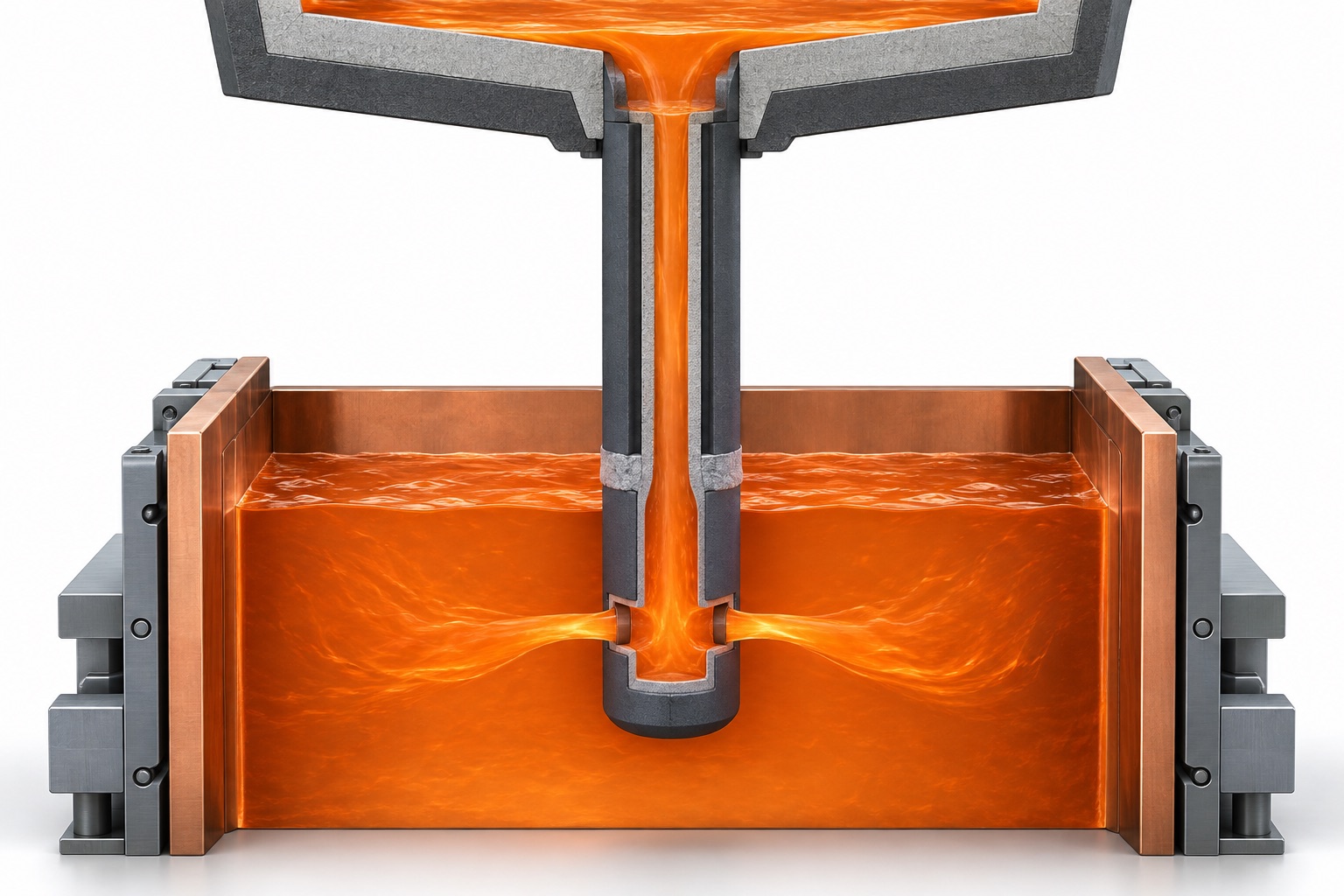
Structure and steel flow
Steel travels down the bore, turns through the lower ports and enters the mould. Port area, direction and immersion affect flow distribution and must be reviewed with the mould section and operating conditions.
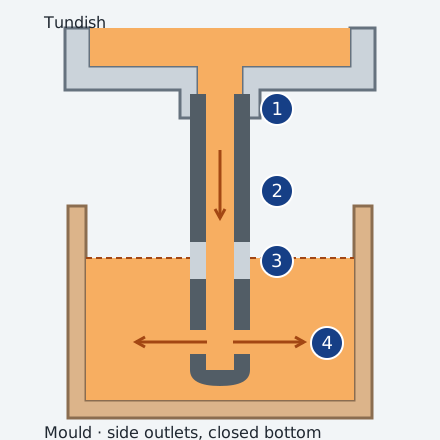
- 1
Upper connection
Mates with the tundish outlet or mounting assembly. Check interface geometry, connection type and clamping dimensions.
- 2
Bore and body
Steel travels down the bore to the outlet region. Discuss bore, length and materials against steel grade and casting requirements.
- 3
Slag line zone
The region exposed to the mould surface and flux. Review its location and material against immersion, flux and service conditions.
- 4
Outlet ports
This typical slab configuration has opposed side ports and a closed bottom. Other designs depend on the caster and agreed drawing.
Product range and matching considerations
| Submerged entry nozzles | Confirm bore and outlet configuration for the caster. |
|---|---|
| Alumina carbon zirconia nozzles | Discuss material arrangement against slag line conditions and the product drawing. |
| Integral designs | Confirm connection, length and installation for the integrated structure. |
Establish caster and section
Provide cast section, mould dimensions and casting speed range.
Review outlets and position
Provide bore, outlet geometry and direction, overall length and installation drawings.
Describe operating conditions
Share steel grade, temperature, mould flux and current clogging or wear to inform material and geometry discussions.
Functions and selection considerations
Protected delivery
Provides a protected steel passage between the tundish and mould.
Flow distribution
Confirm outlet geometry and direction against mould section and casting conditions.
Critical working zones
Consider service conditions at the slag line, bore and outlets when reviewing the drawing.
Information for product selection
Drawings and operating details help confirm product fit and service requirements.
| Caster information | Cast section, mould dimensions and casting speed range |
|---|---|
| Nozzle drawing | Overall length, bore, outlet geometry and mounting dimensions |
| Casting conditions | Steel grade, temperature, mould flux and immersion depth |
| Service requirements | Sequence requirements, current product and operating issues |
Materials, dimensions and service requirements are subject to the agreed technical documents.
Discuss drawings and requirementsRelated products
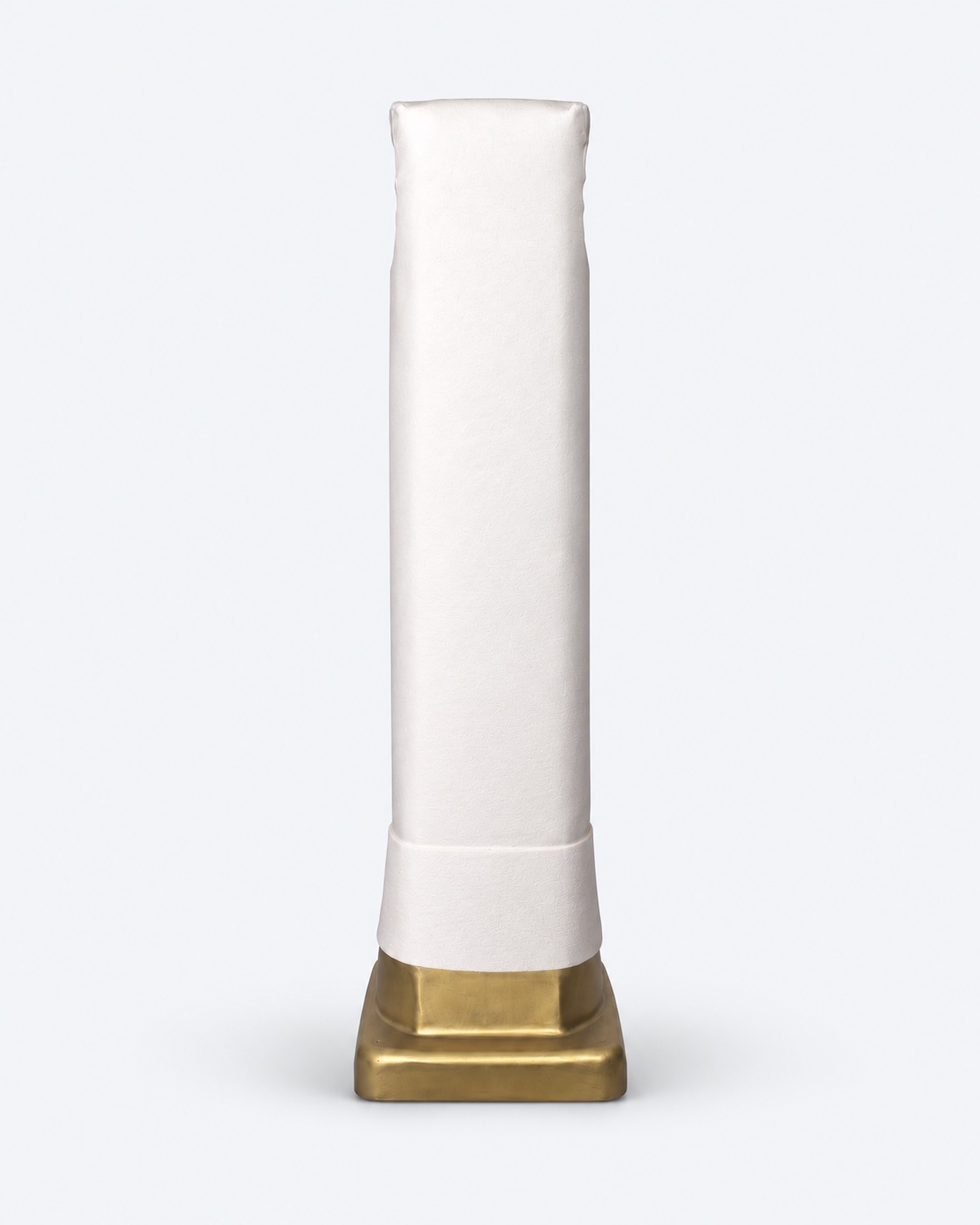
Slab casting nozzle
板坯水口
Submerged delivery for slab casting, with tube and outlets matched to the application.
View product detailsIntegral submerged entry nozzle
整体水口
One continuous refractory from the tundish seat to the mould.
View product details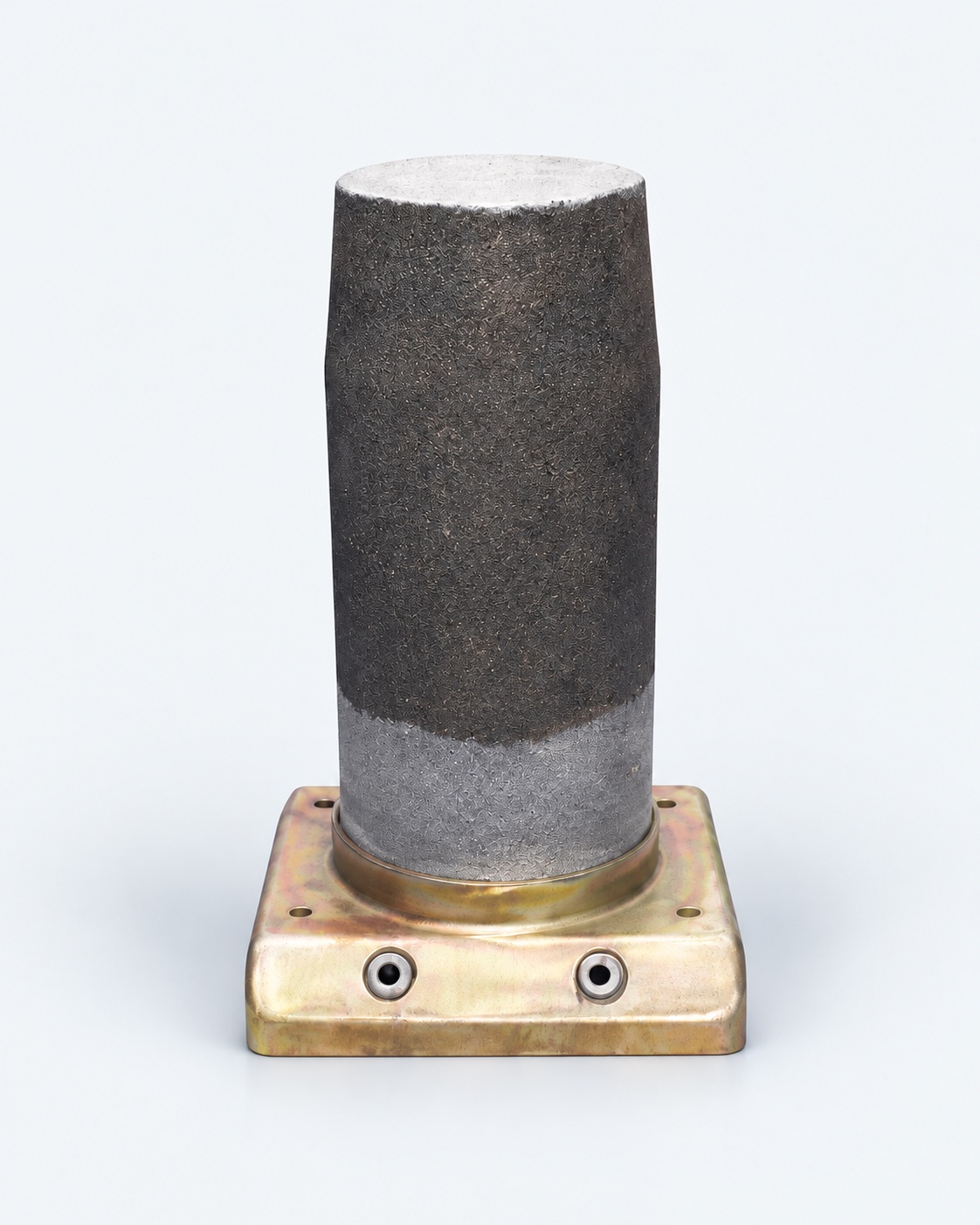
Tundish nozzle
中包水口 · Tundish upper nozzle
A tundish upper nozzle matched to the bottom lining, stopper and lower nozzle.
View product detailsLet’s discuss
your application.
Contact Hongda about product selection, drawings, operating conditions and cooperation.
- Telephone
- +86 533 5688763
- Address
- Dongliu Village, Luocun Town, Zichuan District, Zibo, Shandong, China
Product enquiry
Create enquiry emailReview and send in your email app. Attach drawings there.
You can also paste the details into your webmail.